Long Beach Street Circuit
The Grand Prix of Long Beach is the oldest and best-known street race in American motorsport. Travel agent and racing enthusiast Chris Pook conceived it in the mid-1970s to revitalize the downtown Long Beach waterfront, and the first event ran in 1975 for Formula 5000 cars. Formula One followed from 1976 to 1983 before the race switched to CART/IndyCar in 1984, where it has remained the centerpiece of the calendar ever since. The Grand Prix Association of Long Beach still organizes the event, now under Penske Entertainment ownership.
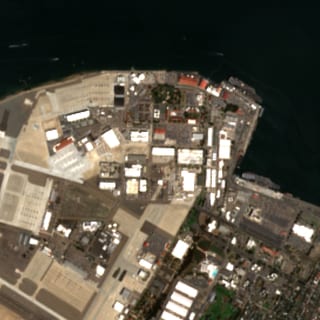
The circuit is a temporary street course laid out on the city streets around the Long Beach Convention Center. The current Grand Prix configuration, settled around 2000, measures 1.968 mi (3.167 km) over eleven turns, run clockwise. Like every version since 1975 it is anchored by the long Shoreline Drive front straight along the waterfront.
Shoreline Drive and Turn 1
The fastest moment of the lap is the run down Shoreline Drive into Turn 1. Cars reach roughly 170 mph along the waterfront front straight before braking hard for the tight 90-degree left-hander (the headline overtaking spot, where the race is routinely decided) which spills the field into the fountain complex.
The Fountain and the Hairpin
After Turn 1 the cars thread the slow fountain complex (Turns 2–3), curling around the landmark Long Beach dolphin fountain between flowerbeds and concrete walls. The circuit’s signature corner is the hairpin at Turn 11: a tight, first-gear right-hander taken at around 30 mph and arguably one of the most famous corners in IndyCar. It has anchored every layout since 1975. Reached after the long, sweeping left of Turn 10, the hairpin dominates lap time and setup; getting it right launches the car back onto Shoreline Drive toward the start/finish line.